Main Image
Main Image
Main Image
Main Image

Shot blasting is a mechanical surface preparation process where high-speed steel shots or grit are propelled by a turbine wheel or compressed air onto the surface.

  • Removes rust, scale, welding slag, and contaminants.
  • Provides a uniform rough surface profile for paint, coating, or galvanizing.
  • Improves fatigue strength of components through shot peening effect.
  • Environment-friendly compared to sand blasting because abrasives are recyclable.
  • Commonly used for bridges, ship hulls, tanks, automobiles, railways, refineries, and construction equipment.

  • Surface Standard: As per ISO 8501-1 / SSPC / NACE, generally SA 2.5 or SA 3.0.
  • Abrasive Material: Steel shots, steel grit, chilled iron grit – size & hardness depend on surface requirement.
  • Surface Profile (Anchor Pattern): 40 – 100 microns (as per coating system).
  • Equipment Type: Wheel blast machine / Air blast machine (depending on component size).
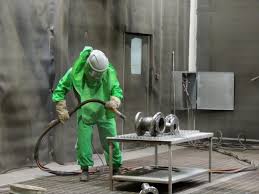
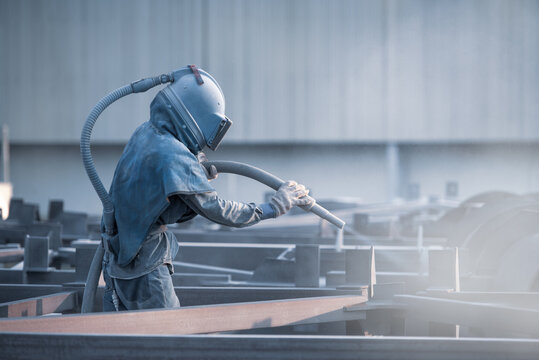
  • Safety: Enclosed chamber, dust collector, operator safety gear (helmet, gloves, ear protection).

. Design

  • Blasting Machine: Shot blasting machine with turbines or air blast nozzles.
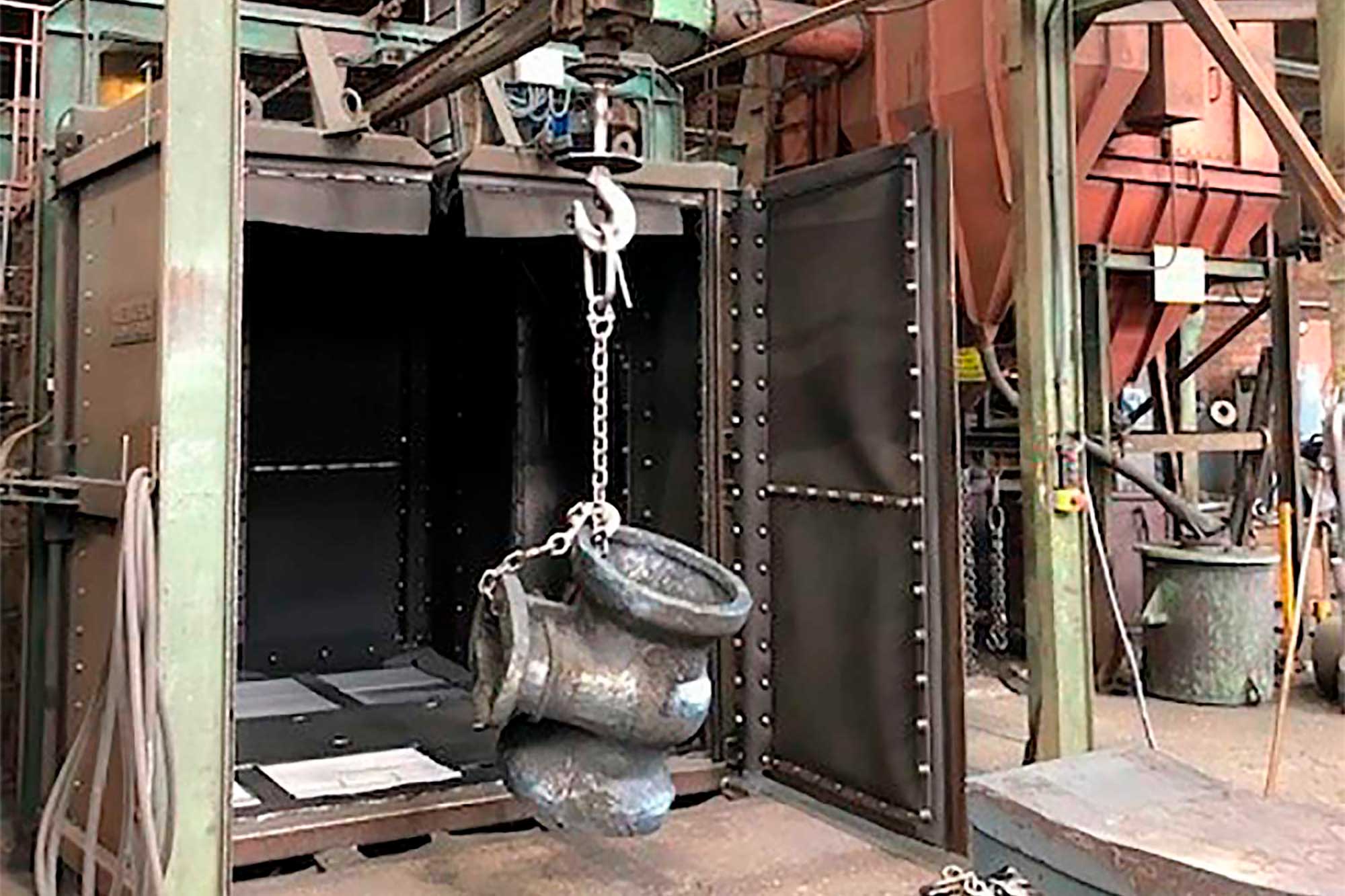
  • Work Handling: Roller conveyor, hanger type, or table type (based on component design).
  • Dust Collection System: Bag filter or cartridge filter to maintain air quality.

Application Area: Structural steel, shipbuilding, automotive parts, bridges, heavy machinery.

. Collection

  • Abrasives: Steel shots, steel grit (recyclable, long-lasting).
  • Machines & Accessories: Blast wheels, turbines, conveyor systems, nozzles.
  • Consumables: Filters, liners, seals, safety wear.
  • Testing Tools: Surface profile comparator, gloss meter, DFT gauge (for later coating inspection).